
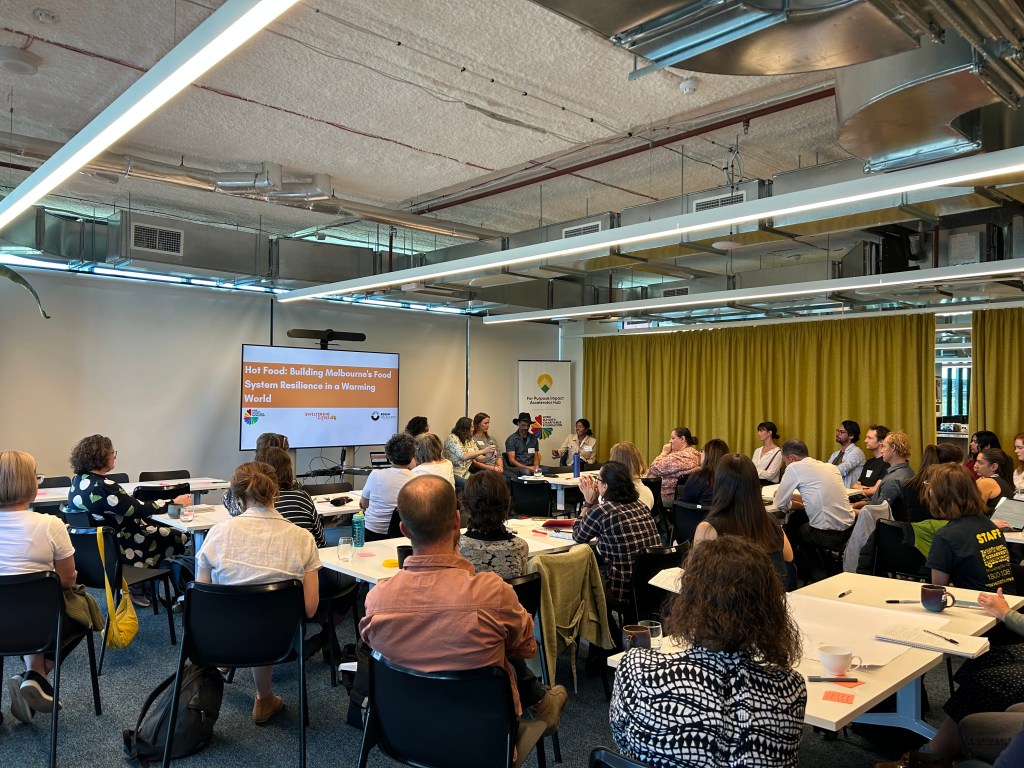
On Thursday April 10th, Sweltering Cities teamed up with Regen Melbourne to host the Food and Heat Symposium, an event that brought together more than 40 people from diverse sectors to explore how extreme heat is reshaping the way we grow, access, and think about food.
The symposium featured engaging presentations from experts in food systems, public health, farming, and community resilience, followed by a panel discussion and interactive workshops. Attendees shared their lived experiences and insights into how climate extremes – especially heat – affect everything from farm production and supply chains to mental health and food security.
Why Food and Heat?
Food is especially vulnerable to rising temperatures, from production on farms and distribution logistics to affordability, storage, and nutrition.
As cities warm and heatwaves intensify, understanding the intersection of food and climate is no longer optional, it’s essential. The symposium asked: How can we ensure access to fresh, healthy food in a warming world? And what does justice look like in that transition?
Presentations from Experts and Community Leaders
Dr. Rachel Carey, Senior Lecturer, Food Systems at University of Melbourne, provided a broad overview of the food system and its vulnerabilities to climate change. While climate risk is often part of public discourse, she pointed out that heat, its impacts and the ways it threatens food systems, is rarely centred in these conversations. She noted that food distribution hubs, in particular, are emerging as critical points of failure during extreme weather events.
Next, Dr. Catherine Trundle, Senior Lecturer, Public Health at La Trobe University, explored heat through a public health and social resilience lens. She urged attendees to see heat not just as a weather event, but as a form of energy and stress that interacts with housing insecurity, disability, and precarious work. Catherine posed the question: How do we build healthy societies in a heating world? Her message was clear. The most impactful thing we can do is to give communities a sense of control, empowering people to participate in decisions that affect their lives.
We then heard from Courtney Young, Woodstock Flour Co-Founder & Peer Learning Manager at Soils for Life. Courtney described how heat and climate disruption are reshaping life on the farm. From soaring land prices, to the mental and financial toll of cyclones, power outages, and 40-degree days, Courtney emphasised the challenges of farming in today’s climate. She made a powerful call to action to support regenerative and organic producers who are working to build soil health and climate resilience.
Finally, Edgar Caballero Aspe, Education and Sustainability Coordinator at Banksia Gardens Community Services in Broadmeadows, spoke about the work his team is doing to address food insecurity. Their vegetable gardens not only grow fresh produce, but also offer a space for community participation, youth programs, and education around food and sustainability. Edgar highlighted the link between food insecurity and mental health, and raised the challenge of changing the perception around “imperfect” food, often rejected by supermarkets despite being nutritious and fresh.
Panel Discussion
The panel Q&A dug deeper into the structural challenges and potential solutions for heat resilience in our food systems. Key themes included:
- The danger of low-control, high-demand jobs during extreme heat
- The tension between food security and business resilience
- The idea that someone in government should be accountable for ensuring that everyone has access to enough food
- The role of the commercial determinants of health in shaping both diets and health outcomes, and how ultra-processed foods dominate supermarket shelves while affordable, fresh produce becomes harder to access in heat-stressed communities.
Attendees spoke to the emotional, social, and financial toll that heat takes on food producers and consumers alike.
Interactive Case Studies: Imagining a Week-Long Heatwave
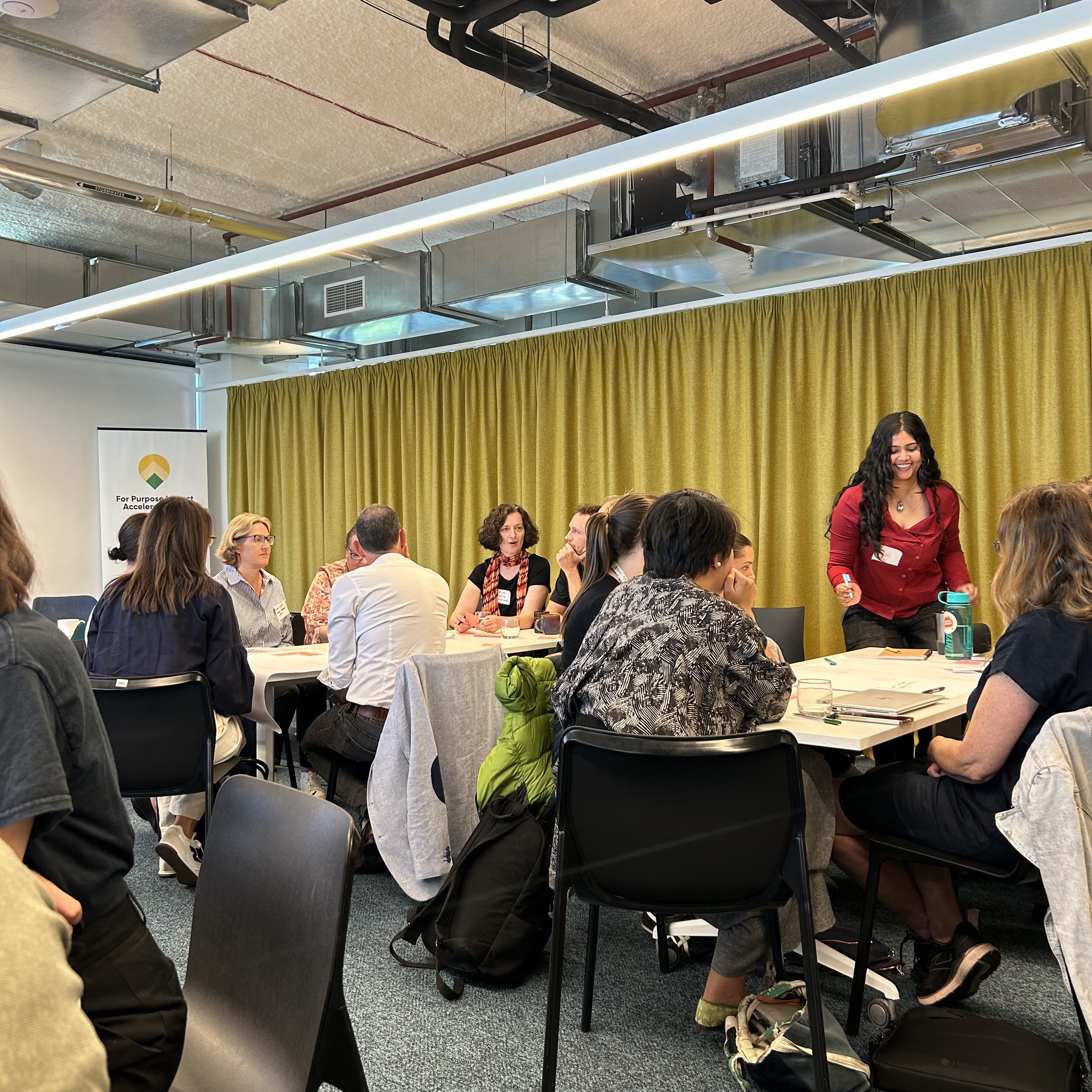
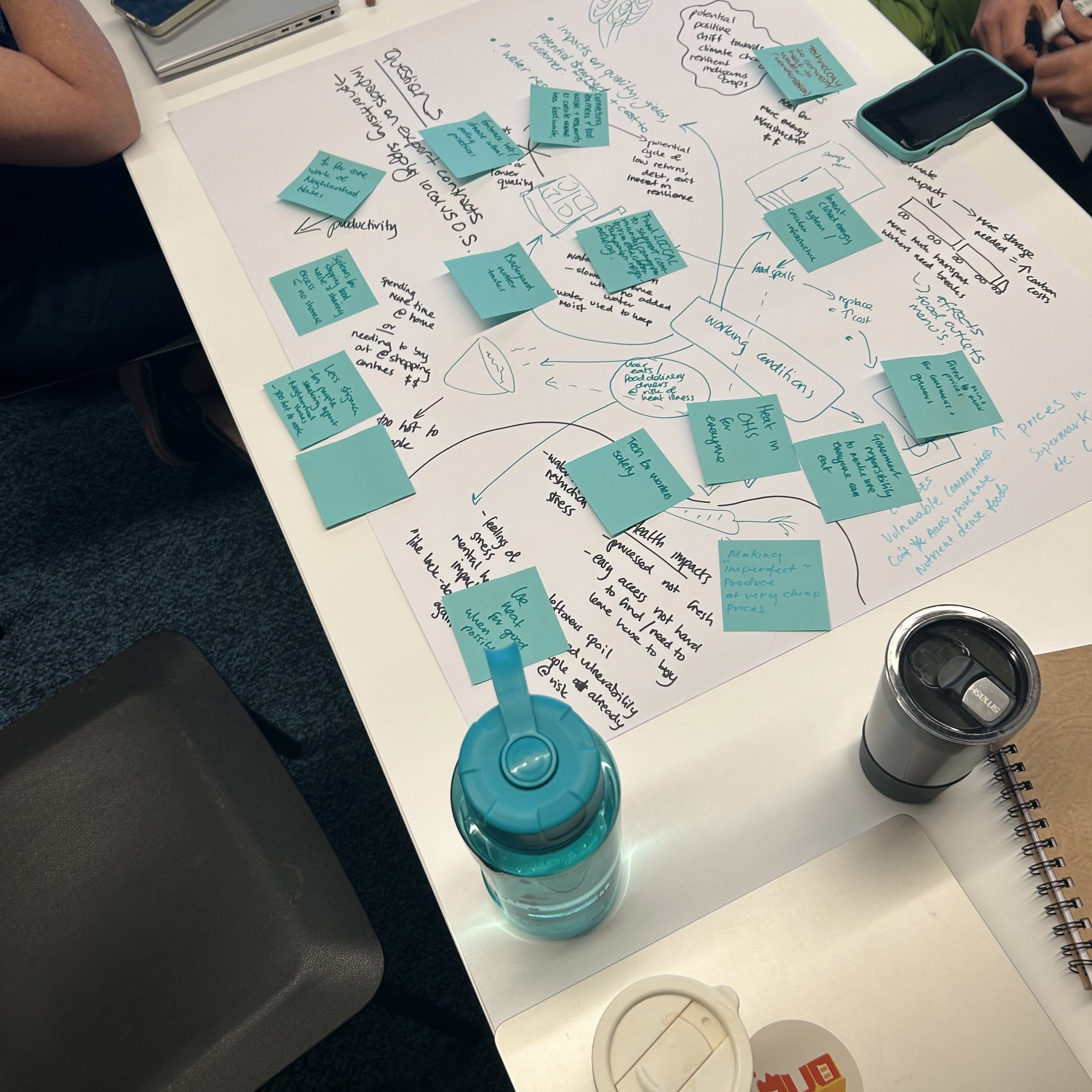
To close the event, attendees split into groups to engage in interactive scenario mapping, imagining how a week-long heatwave would impact farming, food quality, and local communities. The aim of the exercise was to help illustrate how heat can disrupt every stage of the food system, from farm to plate, while also pointing to opportunities for building resilience.
Participants were asked to consider how a prolonged heatwave could impact every stage of the food system. Key questions included: How would food be grown, stored, transported, and accessed during extreme heat? How would it affect how we cook, eat, and care for one another? And what happens to food waste, can it be managed differently or turned into a resource?
The discussion revealed a range of challenges. These included reduced food production, increased spoilage, and limited access to fresh, healthy food. Workers across the food system would face greater pressure, while rising costs and food insecurity would deepen. Participants also noted the potential for more food waste and the disruption of community food practices, highlighting the need for local solutions and stronger social support.
The Scenario
A hot, dry winter and scorching early summer have already stressed crops and supply chains. Now, a week-long February heatwave pushes the city to its limits.
It’s the second week of February 2030. Melbourne is entering its fifth straight day of extreme heat. Daytime temperatures have remained between 42°C and 45°C, with nights offering little relief, rarely dipping below 30°C.
The streets of Melbourne’s urban heat island suburbs in the west, north, and southeast are even hotter. Many people aren’t leaving their homes unless they have to — to find relief, go to work, or shop for essentials. Social isolation is increasing, especially for older adults, people with disabilities, and those who feel unsafe or uncomfortable going outside in the heat.
In overheated homes, many are rationing cooling out of fear of soaring energy bills. A clear divide has emerged: renters and low-income households, many of whom live in poorly insulated buildings without cooling, are bearing the brunt, while wealthier residents enjoy more thermally efficient homes, affordable cooling, and access to solar and battery systems.
Public transport is unreliable, with frequent delays and disruptions. School attendance has dropped, and many people are avoiding commuting altogether if they have the option. Reports of heat-related aggression, stress, and mental health issues are rising, from flare-ups in traffic to a surge in emergency callouts for people in psychological crisis.
After the second day of extreme heat, rolling power outages lasting between 6 and 12 hours begin to affect parts of the city.
Trees, parks, and backyard gardens are withering under the relentless sun. Local wildlife is suffering, with widespread deaths of possums, birds, and bats being reported by the public and wildlife groups.
This heatwave follows a warm, dry winter that failed to reset soil moisture and pest cycles, and a record-hot November and December that accelerated crop maturation and plant stress. Fruit and vegetable yields across regional Victoria and South Australia are significantly reduced, with some summer crops, including stone fruit, tomatoes, and berries, essentially wiped out.
Looking Forward
The Food and Heat Symposium was a reminder of how interconnected our climate, food, and health systems are – and how urgently we need community-driven action. It reminded us that heat is not a future problem, it’s here now, and it’s hitting some communities far harder than others.
As extreme heat continues to reshape our lives, there’s an urgent need for more research into its impacts on food systems, stronger advocacy for climate-responsive policy, and education that starts early, embedding heat and resilience into school curriculums. Expanding the movement to include urban planners, policymakers, and other key sectors will be critical. Most importantly, we need to strengthen our communities, because resilience starts with connection.
Sweltering Cities, Regen Melbourne, and the Lord Mayor’s Charitable Foundation will continue to explore how to bring these ideas to life and we want to hear from you. Whether you attended the Symposium or are engaging with this work from afar, your insights, feedback, and energy are critical.
 Greater Melbourne Heat Alliance
Leave a comment